
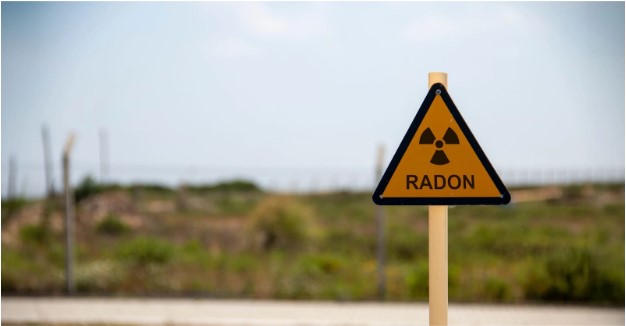
Radon is a naturally occurring radioactive gas that comes from the decay of uranium found in soil, rocks, and water. It is invisible, tasteless, and odorless, making it difficult to detect without proper tools. While radon itself is not harmful in small amounts, long-term exposure can lead to serious health issues, particularly lung cancer. For this reason, monitoring radon levels in the environment is essential. One of the most effective ways to understand radon movement and its potential risks is through radon flux measurements. These measurements help scientists, environmentalists, and policymakers assess and manage radon exposure in both indoor and outdoor environments.
Understanding Radon Flux Measurements
Radon flux measurements refer to the process of quantifying the amount of radon gas that moves from the soil or other surfaces into the air over a given area and time. This measurement provides a direct indication of how much radon is entering the atmosphere from the ground. Unlike simple radon concentration tests, which show the level of radon in the air at a specific location, radon flux measurements give a more dynamic understanding of radon behavior. They help determine areas with higher emissions and identify potential environmental risks.
Role in Environmental Safety
Radon flux measurements play a critical role in maintaining environmental safety. Since radon is a radioactive gas, high levels can pose significant health hazards to humans and animals. By measuring radon flux, scientists can identify hotspots where radon emission is higher than normal. These areas can then be prioritized for monitoring, remediation, or construction planning. In regions with elevated radon flux, authorities can implement safety measures, such as proper ventilation systems in buildings, soil sealing techniques, and public awareness programs.
Monitoring and Risk Assessment
Regular radon flux measurements allow for continuous monitoring of environmental conditions. This is particularly important in areas where uranium-rich rocks or soil are common. By tracking changes in radon flux over time, researchers can detect trends that may indicate increased health risks. Risk assessment based on radon flux measurements helps guide building regulations, urban planning, and public health policies. For instance, when planning new residential areas, construction engineers can use radon flux data to design foundations and ventilation systems that minimize radon accumulation indoors.
Supporting Research and Environmental Policies
Radon flux measurements are not only useful for immediate safety but also for long-term scientific research. They provide valuable data for understanding the natural processes of radon migration, the effects of climate conditions on radon emission, and the interactions between radon and other environmental factors. Governments and environmental agencies use this information to develop policies and guidelines that protect public health. For example, areas identified with high radon flux can be included in regulations for building codes, land use planning, and environmental assessments.
Benefits to Public Health
The ultimate benefit of radon flux measurements is the protection of public health. Radon exposure is one of the leading causes of lung cancer among non-smokers, making its monitoring vital. By identifying areas with elevated radon flux, preventive measures can be implemented before people are exposed to dangerous levels. Health campaigns and educational programs based on radon flux data can also inform communities about the importance of testing and mitigation. This proactive approach reduces health risks and creates safer living environments.
Conclusion
Radon flux measurements are a vital tool in environmental safety and public health protection. By measuring the amount of radon gas emitted from the soil, these assessments provide critical information about potential health hazards and environmental risks. They support monitoring, research, policy-making, and public awareness, helping communities and authorities take informed actions to reduce radon exposure. In a world where environmental safety is increasingly important, radon flux measurements offer a reliable and practical way to safeguard human health and maintain a safer environment for future generations.
