
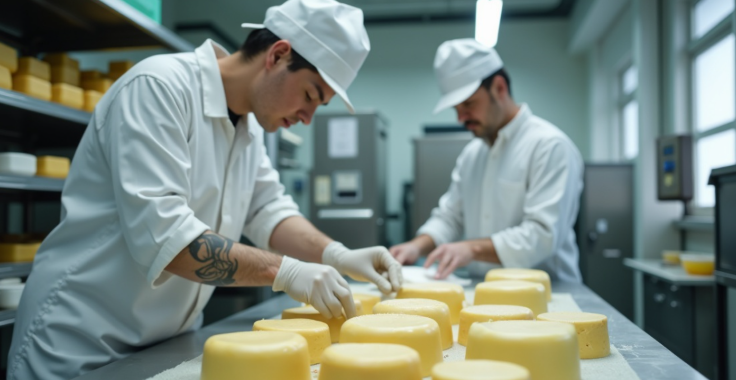
Over the years, the dairy business has changed by using new technologies to make production more efficient and improve the quality of the products. The creation of automated yogurt-making software and cheese-making apps is one of the most important improvements. These tools have changed the way dairy products are created. Not only do these technologies make the production process easier, but they also make sure that the quality stays the same and that less waste is produced. Dairy producers may increase output, save costs, and give customers better products by automating important tasks. This essay looks at how these new tools are changing the way dairy is made in the future.
How software for automated yogurt production makes things run more smoothly
Modern yogurt makers can’t live without automated yogurt production software. This program lets manufacturers automate important tasks like mixing, fermenting, and packing that used to need to be done by hand. Automated yogurt manufacturing software guarantees that every batch is the same and of good quality by cutting down on mistakes and speeding up the process. The program can monitor temperature, pH levels, and other important variables in real time, which helps producers make sure the yogurt matches the criteria they want. It also makes it easy for firms to scale up production, whether they are doing little batches or huge ones.
These tools give dairy producers real-time information that helps them understand production trends and make smart choices. This makes it easier to manage resources and lowers the costs of doing business. Also, automation greatly lowers the danger of contamination because the software controls and monitors the whole process, making sure that hygiene and safety criteria are always maintained.
How Cheese Production Apps Help Make Dairy
Cheese production apps are changing the way cheese is created in the same way that automated yogurt production software changed the way yogurt is made. These apps bring together several parts of making cheese, such as getting the milk, curdling it, maturing it, and packaging it. Cheese makers can keep the quality of their products consistent, cut down on waste, and boost overall efficiency by having full control over every step of the production process.
Cheese production applications let makers keep track of the exact amounts of components needed for each batch, so they don’t use too much or too little of them. This makes the production process more sustainable because it wastes fewer resources. The apps also make it easier for departments to talk to each other, which makes sure that everyone who is part of the manufacturing process is on the same page. Dairy farmers may keep an eye on the whole supply chain from start to finish by connecting cheese production apps with other systems, such as inventory management and quality control.
How using machines in dairy production lowers costs.
Automated yogurt production software and cheese production app are both very important for dairy firms that want to cut costs. Manufacturers can cut down on labour costs by automating a lot of the production process. The software’s ability to monitor resources in real time also helps decrease costs by preventing waste and making the best use of resources. These technologies also lower the chance of mistakes, which can lead to expensive product recalls or quality problems. These technologies help make things more consistent, which makes customers happier and leads to more brand loyalty and repeat business.
Conclusion
The dairy sector has changed forever with the addition of automated yogurt manufacturing software and cheese production apps. These tools have made the industry more efficient, consistent, and safe. As dairy farmers continue to use these new technologies, they will be able to improve the quality of their products, lower their expenses, and speed up production. If you want to improve your dairy output, you can find useful information and ideas for automating your procedures at dairycraftpro.com. Automation is no longer just a fad; it’s the way of the future for dairy production.
