
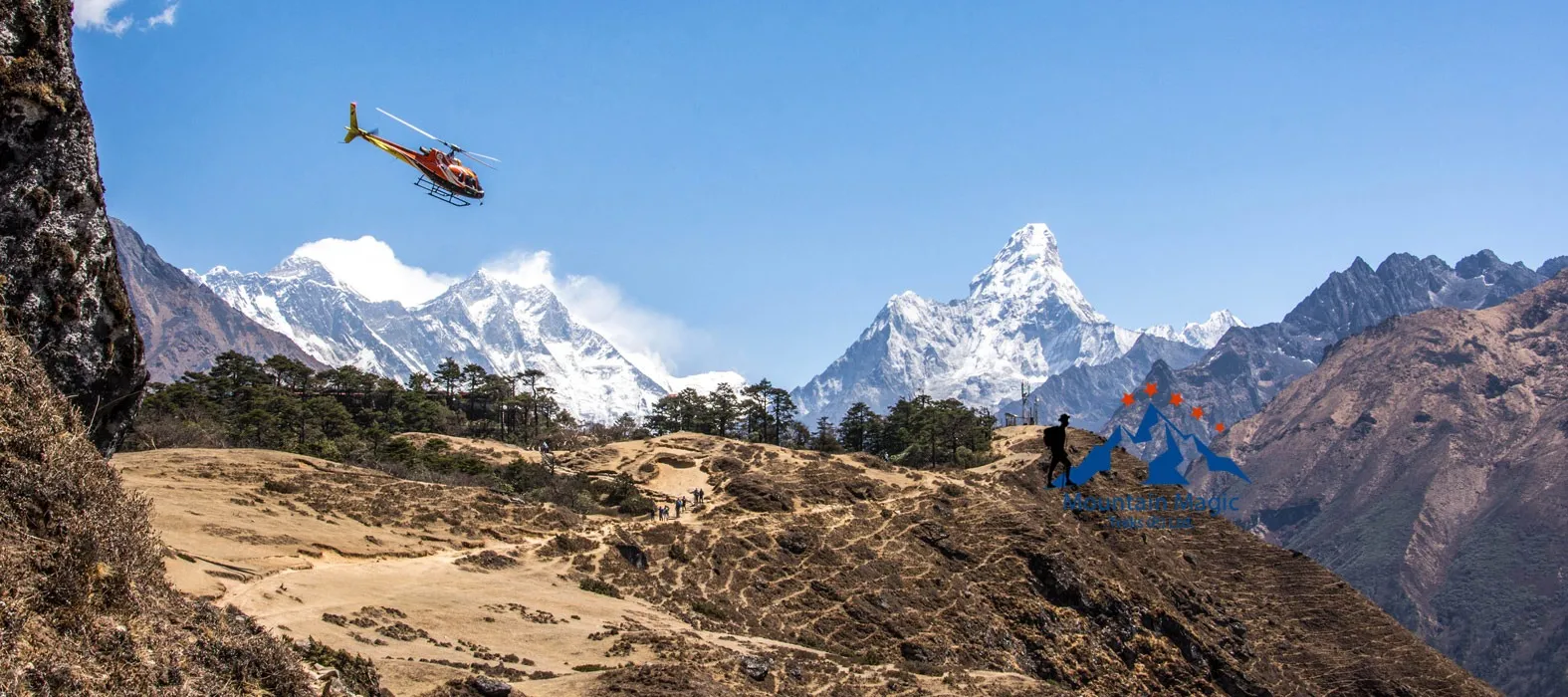
The villages along the Everest Base Camp route are shaped by more than their location near the world’s highest mountains. Their buildings, stone walls, and surrounding land reflect generations of experience living in a cold, rugged environment. Local construction methods are designed around available materials, limited space, changing weather, and the needs of mountain households.
During the Everest Base Camp Trek with Helicopter Return, travelers pass through settlements such as Phakding, Namche Bazaar, Tengboche, and Dingboche. Each village offers a different view of how people have developed homes and community spaces in the Khumbu region.
Why Stone Is an Important Building Material
Stone is widely visible in traditional mountain construction throughout the Khumbu region. It is available in the surrounding landscape and can be used to build walls, foundations, and boundary structures.
How Stone Walls Support Mountain Buildings
Traditional stone walls serve several practical purposes:
-
They provide a solid structure for buildings.
-
They help separate indoor and outdoor spaces.
-
They create boundaries around homes and small plots.
-
They can reduce exposure to wind when positioned appropriately.
-
They use materials that are available locally.
The quality of construction depends on how stones are selected, arranged, and maintained. Not every building uses the same design, and modern materials are also common in tourist settlements.
Traditional Houses in Phakding and Nearby Villages
Phakding is one of the first overnight settlements on the trekking route after Lukla. The village sits beside the Dudh Koshi River and has homes, teahouses, small businesses, and other buildings serving residents and visitors.
Features of Local Residential Buildings
Some traditional homes use stone walls, wooden structural elements, and simple roof designs. Their layouts reflect practical household needs rather than decorative architecture.
Common features may include:
-
Compact rooms suited to mountain living.
-
Small windows and protected entrances.
-
Storage areas for household supplies.
-
Separate spaces for cooking and daily activities.
-
Outdoor areas used for work and storage.
Tourist lodges may have larger dining rooms and guest facilities, but they still operate within the physical limits of a mountain settlement.
Namche Bazaar and the Growth of Mountain Architecture
Namche Bazaar stands at approximately 3,440 meters and is one of the most developed settlements in the Khumbu region.
Its buildings serve several purposes. Alongside residential houses, the village has shops, restaurants, trekking lodges, supply stores, and community facilities.
Why Namche Has a Different Appearance
The growth of tourism has influenced the settlement’s architecture. Some older buildings maintain traditional design features, while newer structures include modern construction materials and expanded visitor facilities.
This mixture reflects Namche’s changing role as both a local community and a major stop on the Everest trekking route.
The Everest Base Camp Trek with Helicopter Return includes a stay in this important mountain town, where travelers can see how traditional buildings and tourism-related development exist side by side.
Terraced Land Around Mountain Settlements
Flat land is limited in many parts of the Khumbu region. Steep slopes make it difficult to create large agricultural fields, so some communities use terraced plots where the terrain allows.
How Agricultural Terraces Work
Terraces are level or gently sloping sections of land created along hillsides. Stone retaining walls may help support the soil and define the edges of cultivated areas.
These spaces can be used for growing crops suited to local conditions.
Terracing can help:
-
Make uneven land more useful.
-
Slow the movement of surface water.
-
Reduce soil loss when properly maintained.
-
Create small areas for cultivation.
-
Organize land around homes and settlements.
Not every village has the same amount of agricultural land. Elevation, soil conditions, water access, and local climate influence what can be grown.
Dingboche and the Practical Use of Stone Walls
Dingboche lies at approximately 4,410 meters. The settlement is known for its open mountain surroundings and stone-walled fields.
These walls are among the most recognizable features of the village.
Why Fields Are Divided by Stone Walls
Stone boundaries help define individual plots and separate cultivated land from paths and other open areas.
They can also provide some protection from livestock entering fields. Their effectiveness depends on wall height, condition, and the surrounding terrain.
The appearance of Dingboche is different from the more densely built Namche Bazaar. Its open layout and stone boundaries reflect the demands of a higher and more exposed environment.
Roof Design and Protection From Mountain Weather
Roofs are an important part of building design in the Everest region. They must handle cold temperatures, rain, snow, and strong winds.
Different Roofing Materials
Traditional and modern buildings may use different roofing materials, including:
-
Stone roofing in some older structures.
-
Metal sheets.
-
Timber-supported roof systems.
-
Modern manufactured materials.
The choice depends on building age, available supplies, construction methods, and maintenance needs.
Metal roofing is visible on many newer buildings because it can be easier to transport and install than some traditional materials. However, its performance depends on proper fastening and maintenance.
How Tourism Has Changed Local Buildings
Tourism has increased the need for accommodation, restaurants, shops, and other services along the Everest Base Camp route.
As a result, many settlements have expanded or modified their buildings.
Traditional Needs and Visitor Facilities
A family home and a trekking lodge do not always require the same layout. Lodges need guest rooms, dining areas, kitchens, storage, and facilities for larger numbers of people.
This has encouraged changes in building size and design.
The Everest Base Camp Trek with Helicopter Return uses mountain teahouse accommodation along the trekking section. These lodges are part of the local settlement system and provide essential overnight services for visitors.
Respecting Private Homes and Community Spaces
Mountain villages are working communities, not simply scenic stops for visitors. Houses, courtyards, agricultural plots, and storage areas may belong to local families.
Travelers should be careful when walking through residential areas.
Responsible Visitor Behavior
A few simple habits help protect local privacy:
-
Ask permission before entering private buildings.
-
Avoid walking through cultivated plots.
-
Do not move stones from walls or boundaries.
-
Keep noise low near residential areas.
-
Ask before photographing people or private homes.
-
Follow the guide’s instructions around community spaces.
These actions show respect for the people who live and work along the trekking route.
Final Thoughts
Traditional stone houses, wooden structures, and agricultural terraces reveal how communities in the Khumbu region have adapted to mountain conditions. Their construction reflects practical needs, local materials, limited land, and the challenges of living at high elevations.
The Everest Base Camp Trek with Helicopter Return offers opportunities to see these settlement features across several villages, from Phakding to Dingboche. Observing the buildings and stone boundaries along the route adds another dimension to understanding the region beyond its famous mountain views.
Frequently Asked Questions
1. Why are stone walls common in Khumbu villages?
Stone is available in the mountain environment and can be used for house walls, field boundaries, and retaining structures.
2. What makes Dingboche’s buildings and fields distinctive?
Dingboche has an open settlement layout, and stone walls are a prominent feature around many of its fields and properties.
3. Are all houses in the Everest region traditionally built?
No. Traditional stone and timber construction exists alongside newer buildings that use modern materials and designs.
4. What are agricultural terraces used for?
Terraces create usable sections of land on sloping terrain. They may support cultivation and help manage surface water and soil movement.
5. Do trekking packages use local mountain lodges?
Yes. The trekking section of the route includes mountain teahouse accommodation, providing overnight facilities in settlements along the journey.